

16 Feb How Play-Based Learning Sparks Curiosity and Confidence in Kids
What helps a child become curious, confident, and ready to try new things?
The National Association for the Education of Young Children say play is a powerful way for young children to practice language, self-control, and thinking skills.
Playful, guided activities let children explore ideas at their own pace while teachers gently extend learning.
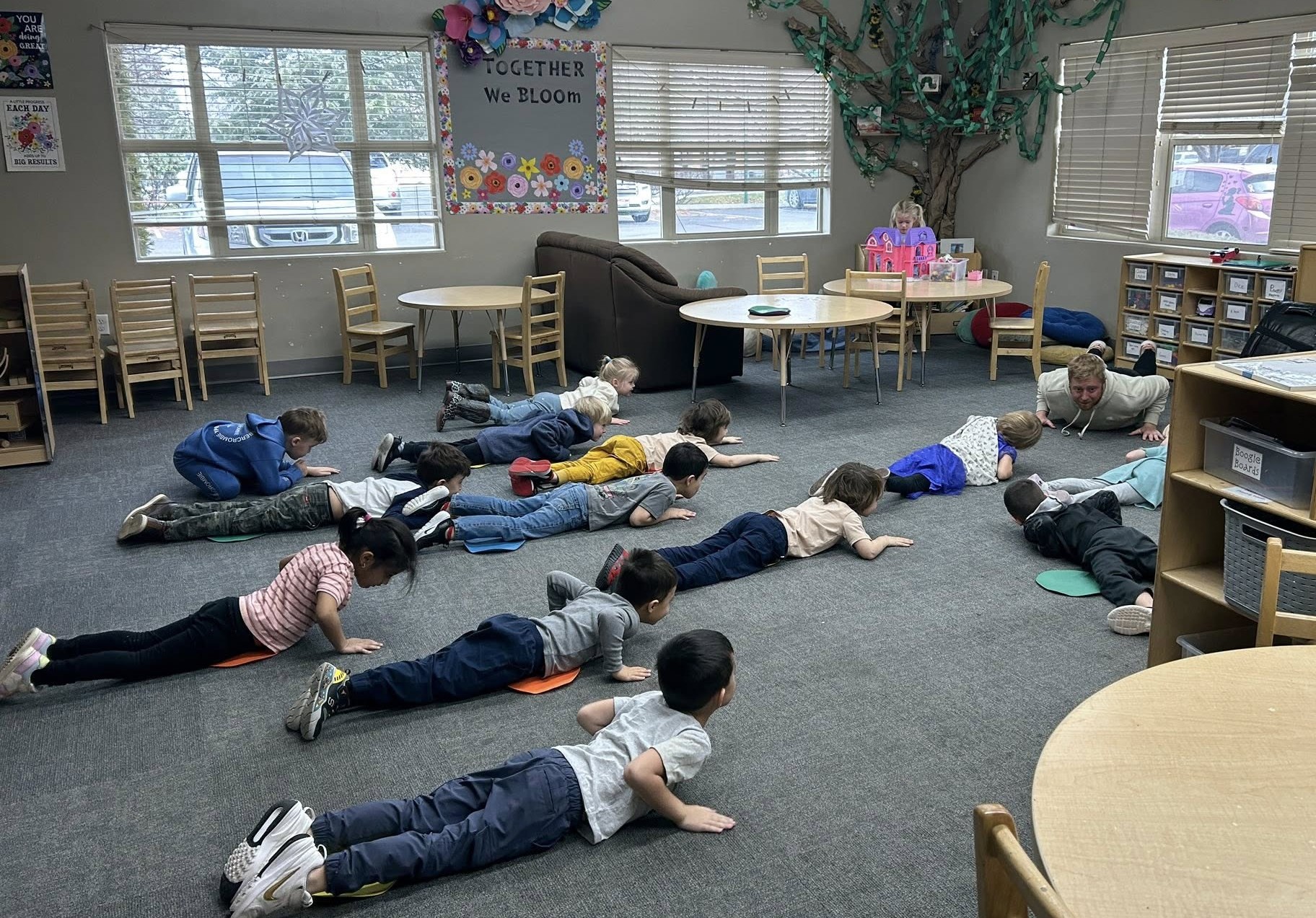
Polaris Learning Center supports children from infancy through school age, and our classrooms are set up so kids can learn through hands-on, playful activities every day at our kids learning center.
How Play Supports Early Childhood Preschool Learning
What Play Helps Young Children Practice
Play supports many kinds of early learning: language, social skills, thinking, and self-control.
Harvard’s Center on the Developing Child shows short, consistent activities at home also help children practice new skills and connect school and family learning.
When adults join in with gentle guidance, play becomes a chance to introduce ideas like counting, noticing differences, or telling a simple story.
Why Guided Play Is Useful in Childcare Classroom Settings
Guided play balances child choice and adult support.
Research on guided play shows that when teachers set up inviting activities and ask simple questions, children stay engaged and learn more effectively than with adult-led drills or unstructured free play alone.
In a childcare classroom, this looks like a teacher adding a new prop to a dramatic-play area or asking, “What do you think will happen if…?” to nudge thinking without taking over.
How Play Builds Social Skills for Preschoolers
Playing with peers gives children practice in sharing, taking turns, and solving small conflicts.
Pretend play and group games help children notice others’ feelings and try out social roles, which are skills that research links to better social competence in preschool.
Teachers can scaffold these moments by modeling language for sharing and naming feelings.
A Day in a Polaris Childcare Classroom
Morning Routines and Free Play Choices
Children arrive and move into small group or center choices: blocks, art, dramatic play, or a sensory area.
These short, predictable choices help children feel safe and ready to explore.
Teachers use the start of the day to greet families, note any changes, and set a calm tone for learning.
Focused Small Groups and Hands-On Early Childhood Activities
Small group time gives children a short and calm moment to try a new idea.
They might count with objects, listen to a story with a simple activity after, or explore something from nature that the teacher brings to the table.
It’s a gentle way for them to learn alongside a few friends and build confidence as they try things step by step.
These quick, hands-on activities give every child a chance to participate and build confidence through small successes.
Outdoor Play and Movement Breaks
Outdoor time lets children test movement, try group games, and develop large-motor skills.
Movement supports attention and self-regulation and provides natural problem-solving moments like building with sticks or observing seasonal changes.
Hands-On Activities That Inspire Learning
Block Play and Early Math Thinking
Building with blocks gives children a relaxed way to explore counting, simple comparisons, and early spatial ideas.
When your child stacks blocks to make a tower and checks how high it can stand, they are practicing planning and noticing what happens when something changes.
Teachers gently guide the activity by asking open, easy questions like, “How tall do you think it will be this time?” which helps children slow down, think, and try again with confidence.
Sensory Play and Early Exploration
Sand, water, and simple sensory bins give children a gentle way to feel different textures and explore with their hands.
Your child can scoop, pour, and compare amounts, which helps them notice small details in a relaxed setting.
Sensory play also supports early language development as children share what they see and feel using simple, descriptive words.
Dramatic Play and Social Skills for Preschoolers
Dramatic play areas give children a comfortable space to act out roles, practice simple social rules, and try new words they hear in daily life.
When your child plays “store” or “home,” they get easy chances to take turns, share ideas, and work through small moments with friends.
These everyday interactions help build the social skills preschoolers need to communicate, cooperate, and feel more confident around others.
How Teachers Guide Play With Simple Moves
Observe, Join, and Extend
Teachers start by watching what your child is doing so they can understand their interest.
They step in gently, often only when the child looks ready, and add a small idea, like handing over a measuring cup during water play.
This keeps your child in control while opening a new chance to explore and think.
It also helps children feel supported without having their play taken over.
Use Clear Language and Short Questions
Teachers speak in short, simple phrases that help children put words to what they see.
They might say, “What do you think will happen?” or “Tell me what you notice,” which encourages children to share their ideas. These kinds of questions help kids practice language and test their thoughts in a natural way.
It keeps the play child-led while giving a gentle nudge toward deeper thinking.
Keep Activities Repeated and Predictable
Children learn well when they see familiar materials again and again.
Repeating a favorite activity gives them a chance to try new steps without feeling overwhelmed.
A small change like adding a new tool or shifting the setup can help your child stretch their skills while still feeling secure.
These steady routines help children build confidence and comfort during play.
How Play Supports Emotional Skills and Confidence in Children
Play Helps Children Try New Roles
When children pretend, they practice different social roles and solve small social problems, which builds confidence and flexibility.
Seeing a child lead a game or solve a turn-taking issue shows real growth in independence.
Small Successes Build Motivation
Short, achievable challenges such as finishing a puzzle or helping a friend can help children feel capable.
Regular chances for success make children more willing to try new things.
Play Reduces Stress and Lets Children Process Feelings
Play gives children a safe way to work through emotions.
Teachers who name feelings and offer choices help children feel understood and calm, which supports learning.
How Kids Learning Centers Use Classroom Design to Support Play
Clear Learning Areas in the Childcare Classroom
Well-designed classrooms have distinct centers that cover blocks, art, reading, and sensory.
This helps children make choices and return to projects, which deepens learning.
Materials at Child Height and Simple Labels
When materials are reachable and labeled, children can choose independently and practice responsibility.
Simple visuals and bins also make routines smoother and reduce frustration.
Rotating Materials to Match Themes or Goals
Teachers rotate materials around a theme, like insects or weather, so children encounter the same ideas in art, books, and play.
This repetition across centers helps children connect concepts.
3 Fun and Simple Ways You Can Support Play at Home
Short, Predictable Activities That Fit Your Day
Little moments throughout the day can become learning opportunities.
A five-minute shared reading, counting while putting away toys, or a short walk outside gives your child repeated practice without adding extra stress.
These simple routines help develop thinking skills and language, as highlighted by Harvard’s Center on the Developing Child.
Talk About What You See and Ask Simple Questions
As your child explores, use easy questions like, “What do you notice?” or “What might happen if…?”.
These gentle questions help children put their thoughts into words and think about results.
Use Everyday Items for Playful Learning
You don’t need special toys for learning.
Cups, spoons, boxes, and recyclables can all become tools for sorting, measuring, and building.
Talking with your child about what they’re doing turns these everyday moments into fun chances to learn together.
What To Look For When You Visit a Day Care Center
Are Classrooms Organized Into Learning Areas?
Look for clear centers with simple, safe materials and child-height shelves.
These show intentional design for child choice and independence.
Do Teachers Join In With Warm, Short Prompts?
Watch whether adults observe first and then add one short question or tool.
That kind of interaction shows guided play in practice.
Is There Daily Communication About What Children Do?
Daily notes or photos that show what children explored give you a window into classroom learning and help you connect home activities to school routines.
Signs Of Social Growth You Can Expect In Preschool Kids Learning Centers
Sharing, Turn Taking, And Cooperative Tasks
You’ll see kids try to share space and materials, use words to request turns, and join group projects like building a block city.
These are small, everyday signs of social skills for preschoolers.
Using Language To Solve Small Conflicts
Children begin to use words and in turn ask questions such as “Can I have a turn?” or “Let’s build together” instead of simple grabs or crying.
Teachers model and praise these attempts.
Leading And Helping Peers
Older preschoolers often start to lead simple games or help younger children with tasks, showing growing empathy and leadership.
How Polaris Kids Learning CenterEmphasizes Safe, Nurturing Play
Trained Staff Who Support Playful Learning
We at Polaris Learning Center are proud of our professional, experienced staff and follow licensing expectations for CPR and safety.
Parents can ask about staff training and how teachers are supported in classroom practice. https://polarislearningcenter.iks.center/contact-us
Enrichment Activities That Add Variety
We note weekly enrichments that include music and STEM-related experiences, which bring new materials and themes into the classroom in age-appropriate ways.
Ask staff which enrichments are scheduled for your child’s classroom.
Clear Routines That Help Children Feel Secure
Predictable arrival, choice time, story, outdoor play, and snack routines help children know what to expect and feel safe to explore.
Routines give teachers repeated chances to observe and support each child.
Meet Our Teachers and Explore Classroom Learning
Play-based learning gives children many safe chances to try ideas, use language, and work with others.
Polaris Learning Center uses classroom centers, routines, and enrichments to give your children chances to explore early childhood activities and build social skills for preschoolers.
Schedule a tour to meet teachers, see the childcare classroom design, and watch how play opens small steps of learning each day.
When adults support play with warmth and simple questions, children grow curious, confident, and ready to try what comes next.