

18 Feb How Art Can Support a Child’s Emotional Wellbeing at Home
Can simple art activities help a child name feelings and feel calmer at home?
Many parents see art as play, but recent reviews find real links between arts engagement and young children’s wellbeing.
Studies show that visual arts and process-focused creative play support social and emotional skills in children under six.
The learning center approach to process art focuses on choice, curiosity, and simple materials that invite exploration.
Polaris Learning Center explains how art supports emotional wellbeing and shows how Polaris connects classroom centers to home learning for kindergarten readiness and early social skills.
Why Art Matters for Emotional Wellbeing in Early Childhood
Art gives children a way to show feelings when words are still hard.
Visual arts, music, and movement let children explore ideas and emotions through action and materials rather than only talking.
Recent scoping reviews find that arts participation for children aged 0 to 6 is associated with improvements in social and emotional wellbeing, including increased self-expression and engagement.
When art is process focused, that is, when the emphasis is on making and exploring rather than on the final product, children practice choices, persistence, and flexible thinking.
This kind of practice supports emotional skills like staying calm during frustration and finding new ways to solve small problems.
Harvard’s Center on the Developing Child highlights that brief, routine activities help executive function and regulation, and art activities fit naturally into those routines.
What Researchers Say About Arts and Young Children
Recent reviews and studies show emerging evidence that arts engagement supports wellbeing in young children.
A 2024 scoping review found consistent themes linking visual arts participation to social and emotional benefits for early learners.
These findings do not promise specific outcomes for every child, but they do suggest that regular, guided art experiences can be one helpful part of a balanced early learning environment.
How Classroom Centers Use Art to Support Emotions
Classroom centers organize materials and routines so children can return to art again and again.
In classroom centers you will often find a process art table, a sensory art station, and a collaborative mural area.
When teachers observe and note how a child works, they can reflect feelings or ideas the child shows through color, pressure, or choice of materials.
Polaris classroom centers use these setups to give children predictable chances to express themselves while staff document and share process updates with families.
Process Art Versus Product Art
Process art focuses on playing with materials.
Product art highlights a specific finished item. For emotional wellbeing, process art is often more useful because it removes performance pressure and honors the child’s choices.
Teachers in centers for learning model curiosity and label actions, which helps children see their own feelings reflected back to them.
One example for this could be ‘’You used a lot of blue right now”.
3 Simple Home Activities That Help Build Emotional Vocabulary
1. Color Feelings Jar
Materials
Small jar or cup, paper slips, crayons.
How
Ask the child to pick a color that matches their feeling and draw a quick mark.
Put the slip in the jar and say one sentence about the color.
Do this once a day for a week.
What You May Notice
Children start to use color to name feelings and feel heard.
This short routine becomes part of the polaris calendar of home learning opportunities you can share with teachers.
2. Calm Painting Moment
Materials
Paper, washable paint, large brush.
How
Play soft music and give the child three minutes to paint freely.
Sit together after the activity and talk about one thing they like in the painting.
Keep your comments descriptive and focused on what you see to support open communication.
What You May Notice
Brief sensory art helps children move strong energy into a creative task and then use simple words once the activity ends.
Harvard resources note that short, predictable routines can support a child’s executive function skills.
3. Story Collage About Today
Materials
Paper scraps, glue stick, marker.
How
Ask your child to glue pieces that remind them of their day and share one short line about it.
This connects simple literacy with emotional recall in a natural way.
You can save these pages in a family folder as a small record of how their days unfold.
What You May Notice
Over time, this activity helps you see small shifts in mood and topics your child brings up often.
These moments are learning opportunities that reflect what children practice in classroom centers.
You can also place short notes beside each page to mirror the updates teachers send home in daily classroom reports.
How Teachers Notice and Reflect Emotions During Art Time
In centers for learning, teachers use careful observation and neutral reflection.
They do not label or diagnose; instead they notice what a child chooses and mirror back simple descriptions.
NAEYC guidance on developmentally appropriate practice supports observation as a primary tool for understanding children and tailoring responses.
What You Can Watch For On A Visit
When you tour a center, look for evidence that teachers document processes, not just products.
Are there photos of children working? Do daily notes mention feelings or choices?
Polaris classroom centers aim to share process photos and short notes in daily reports so families can follow the learning and the emotional story behind the art.
Age-Appropriate Activities for Different Stages
Art looks different for infants, toddlers, and preschoolers.
Below are short, parent-friendly ideas that map to each stage.
Infants: Sensory Mark-Making
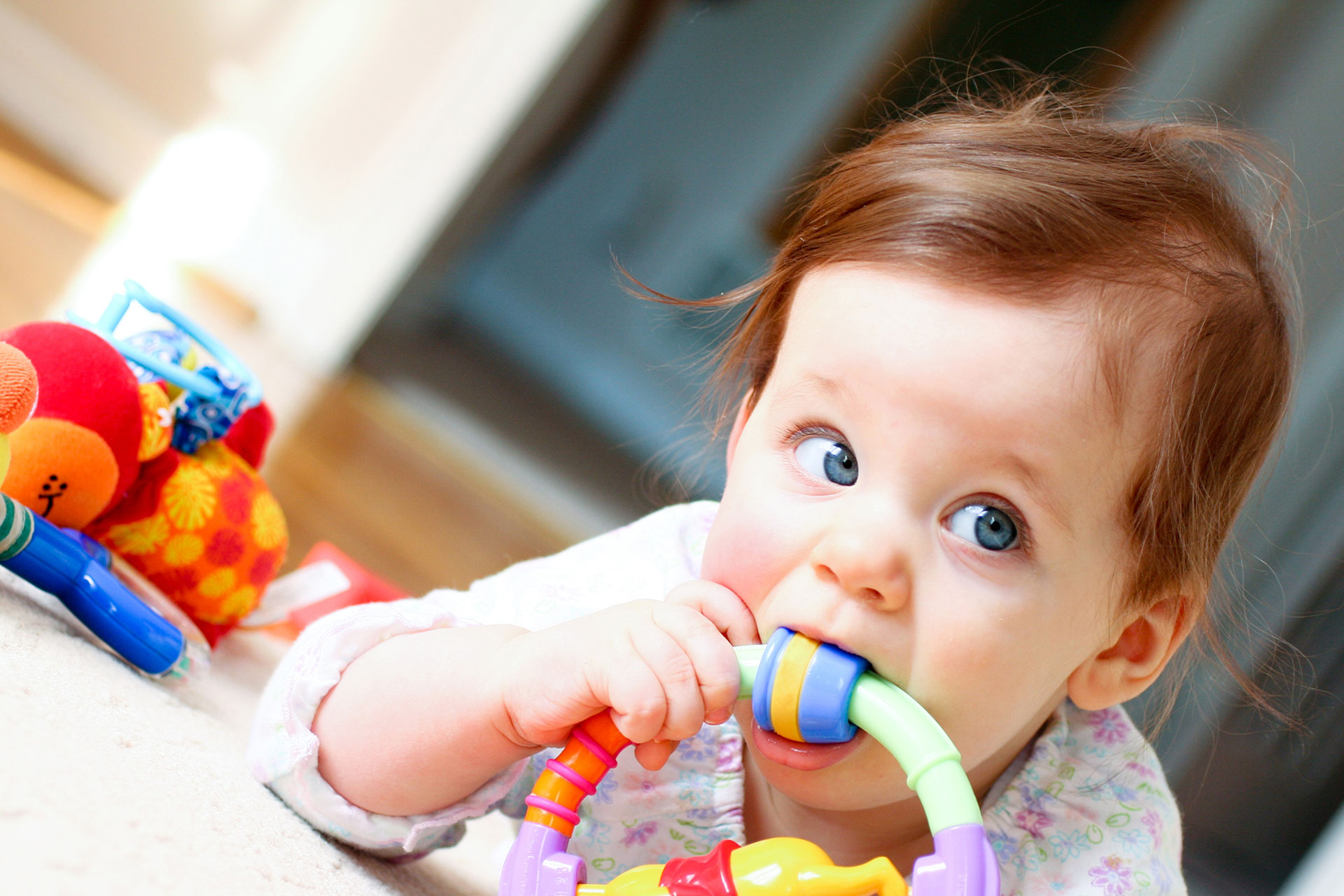
Offer finger paint on a large paper taped to a table, or a food-safe paint alternative for tiny hands.
The goal is safe exploration and shared attention.
Talk simply about textures and colors while you sit with the child.
These shared moments support attachment and early communication.
Toddlers: Big Movement Art
Use a roll of paper on the floor and a few large crayons or paint rollers.
Toddlers enjoy full-body movement and making big marks.
Hold calm, simple language about choices and actions to help toddlers connect actions to feelings.
Preschoolers: Process Projects and Story Art
Offer mixed media stations where children can choose from collage materials, crayons, and stamps.
Invite a short story prompt like, “Make a picture about something that made you laugh.”
Invite the child to tell one sentence about the picture.
This encourages narrative and emotional labeling in a low-pressure way.
How to Use Art to Support Self-Regulation and Calmness
A 3-Minute Reset
When a child is upset, offer a short art activity designed for reset: a paper and one crayon, with a calm invitation to draw one big circle.
The goal is not the drawing; it is the predictable, shared moment that helps the child slow down.
Over time, children learn that slow, gentle art time can be a way to regroup.
Use Sensory Materials Mindfully
Sensory activities using varied textures can create a soothing experience for children and help them slow down after moments of high energy.
Offer these in a small, supervised setting and narrate the child’s actions with calm language.
These tactile experiences often help children transition from high energy to more focused play.
Family Art Nights and Gallery Displays
Centers for learning that share children’s process work with families strengthen home-center connections.
Polaris calendar items like family art nights or gallery walls that display process photos invite parents into the learning story.
Why Sharing Process Helps Parents
Seeing your child’s process in a classroom center helps you mirror similar activities at home with confidence.
When teachers send a brief note that explains a child’s choice, parents get a concrete way to respond at home, such as offering similar materials or asking one inviting question about the painting.
How Polaris Connects Classroom Art to Home Routines
Polaris links classroom centers to home by sharing simple process notes, photos, and occasional family events that match the polaris calendar.
Teachers document processes during art time and include one or two sentences in daily reports about what the child did and how they responded.
This helps families repeat a similar, short activity at home with confidence.
Our team encourages parents to try two short activities a week that mirror classroom centers: a calm painting moment and a simple collage sharing.
These small, repeated practices build continuity between the center of learning and the home.
What to Ask Teachers For
When you visit, ask for a sample daily report or a quick photo of the child during art time.
Ask which materials the classroom uses and how often centers rotate materials.
These practical details help you support the same learning opportunities at home.
3 Phrases Parents Can Use To Reflect Emotions
Use short, neutral phrases that name what you see, not judge it.
Here are three simple scripts you may use to support emotional expression during art moments:
- “You used a lot of blue today.”
- “I see strong lines here.”
- “Tell me about the part you like best.”
5 Tips For Low-Stress Art At Home
- Keep activities short and predictable. Start with three to five minutes for young children.
- Offer choice but limit options. Two material choices reduce overwhelm.
- Celebrate process not product. Say what you notice more than praise the outcome.
- Store a small art kit with basic supplies so activities are easy to start.
- Share one photo or note about the session with the child’s caregivers to build a home-center connection.
Supporting Your Child’s Emotional Growth Through Art
Art is a gentle way for children to express feelings, practice calm, and build confidence.
If you want to see how this looks in practice, visit and ask to view classroom centers or check the polaris calendar for family art events.
Art is one practical, low-stress way to support your child’s emotional wellbeing while building ready habits for learning for kindergarteners and beyond.
Contact our team at Polaris Learning Center for a simple walk through our classrooms, details about upcoming family art events, and support as you learn what works best for your child.