

07 Apr Is Your Child Ready for STEM in Kindergarten? Myths vs Reality
You are not alone if thoughts about preparing your child for STEM in kindergarten make your chest tighten.
Many schools use a kindergarten screening or kindergarten readiness screening early on, and it can feel like your child is being judged in one short visit.
The American Academy of Pediatrics has said this kind of screening should guide teaching and support, not act like a gate at the door.
Your child can step into kindergarten feeling confident, curious, and capable with the hands-on STEM experiences at Polaris Learning Center.
What Kindergarten & STEM Readiness Skills Mean
Kindergarten and STEM readiness skills usually describe a mix of social, emotional, physical, and early learning strengths that help a child handle a school day.
The CDC milestones for age 5 include skills like taking turns, following rules in games, and doing simple chores, which line up with classroom life.
The Real-Life Skills Teachers Notice First
Teachers often notice how a child joins a group, handles a change, and tries again after a mistake.
They also notice if a child can ask for help, wait a short turn, and follow simple routines.
These skills matter because they shape the day from morning arrival to lunch to clean-up.
You can support all of them at home without turning your evenings into school.
What a Kindergarten Screening Really Is
A kindergarten screening is usually a brief snapshot of how a child is doing right now, so teachers can plan support.
The American Academy of Pediatrics has advised that screening should guide curriculum and instruction, not block age-eligible children from enrolling.
HealthyChildren.org also explains that if screening shows areas of need, families can use that info to plan extra support, not panic.
A child can also perform differently depending on sleep, hunger, shyness, and the adult running the activity.
What a Kindergarten Readiness Screening Can Measure
Some screeners look at early literacy and number ideas, but many also look at attention, communication, motor skills, and approaches to learning.
Oregon’s public guidance describes kindergarten assessment as a snapshot and states it is not a barrier to enrollment.
That “snapshot” idea matters, because a snapshot never tells the full story of a child.
If the screening feels stressful, it helps to remind yourself it is meant to inform teaching.
Myth: My Child Must Read Before Kindergarten
Many parents hear that kids must read, write, and do math worksheets before the first day.
NAEYC pushes back on this narrow view and points families toward whole-child readiness instead of a few isolated academic skills.
Early reading habits matter, but that usually looks like being read to, talking about stories, and enjoying books.
If your child knows how to listen, ask questions, and tell you what happened in their day, those are strong foundations.
What to Focus on Instead of Drill Work
Read aloud often and talk about the pictures and the plot in simple ways.
Let your child “read” by telling the story from memory or from the images.
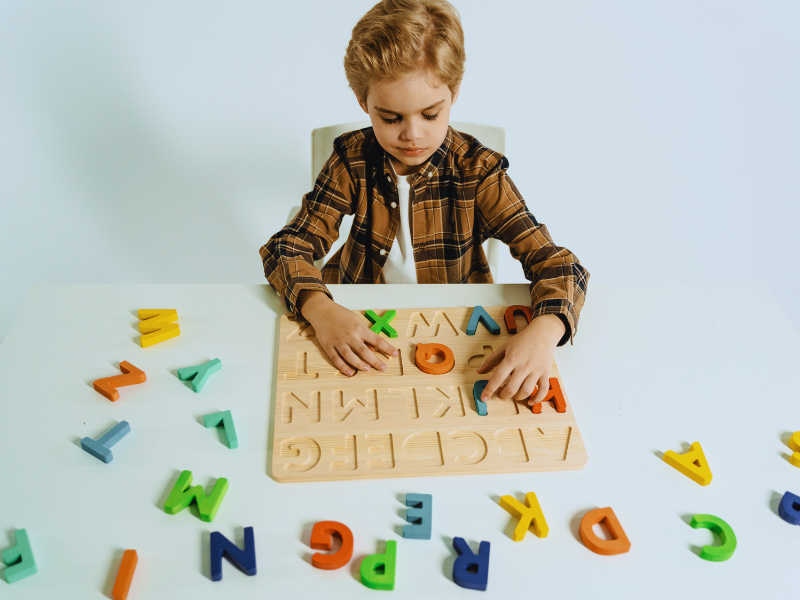
Keep letter learning light, short, and playful.
If your child resists, back off and try again later.
Myth: My Child Must Already Be Good at Math or Science
Many parents hear that kids must count to ten, identify shapes, or know science facts before kindergarten.
NAEYC encourages a broader view: STEM readiness is about curiosity, exploration, and the ability to try, fail, and try again, not memorizing facts.
Early STEM habits look like asking “what if?” questions, building with blocks, exploring nature, and talking about patterns or cause-and-effect in daily life.
Myth: A Kindergarten Skills Checklist Is the Only Way to Prepare
The phrase kindergarten skills checklist is common online, and it can be useful as a rough idea of classroom routines.
The problem is that some lists turn into pressure, and kids start to feel like they are always being tested.
You can prepare your child without chasing a long list.
A Better Way to Think About “Checklists”
Replace a long list with a few daily habits.
Practice a calm bedtime, a steady morning routine, and simple self-help tasks like putting shoes away.
Talk about feelings and how to ask for help.
These habits tend to show up in school success more than memorizing long sets of facts.
Myth: Kindergarten Readiness Assessment Means Pass or Fail
A kindergarten readiness assessment can sound final, but many systems describe it as a planning tool.
What to Do if Results Feel Concerning
Start by asking the teacher what they saw and what they suggest for practice.
Pick one or two small skills to work on, then recheck later.
If you still feel uneasy, talk with your pediatrician, especially if you notice the same struggles in many settings.
You do not need to label your child to ask for support.
Why Play in Kindergarten Still Matters
Play in kindergarten supports skills kids need for learning, like self-control, flexible thinking, and social problem-solving.
A cross-case study research promotes play as a key teaching approach in early childhood because it supports self-regulation and social adjustment needed for learning.
When children play, they practice taking turns, negotiating rules, and using language to solve small conflicts.
Those are real classroom skills, even when they look simple.
STEM and Play Support Learning Naturally
Play integrates early math and science concepts:
- Building blocks introduce counting, measuring, and balance.
- Pretend play explores roles, story sequencing, and cause-and-effect.
- Guided exploration teaches early coding concepts, pattern recognition, and logical thinking.
Children often learn more effectively when concepts are embedded in engaging activities rather than drills.
What Helps Kids Who Are Strong Academically but Struggle Socially
Some children know letters and numbers early, yet melt down in groups or avoid peers.
NAEYC gives examples of children who have strong reading skills but struggle with shyness and social comfort, which still affects readiness.
In this case, focus on practice that builds social ease: short playdates, simple turn-taking games, and role-play for asking to join play.
Social comfort often grows with repeated, low-pressure chances.
Small Social Skills That Make a Big Difference
Practice greeting a teacher and saying goodbye.
Practice asking, “Can I play?” and “Can I have a turn?” Teach your child one calm phrase for big feelings, like “I need help.”
These are short scripts, but they help children get through hard moments.
What Helps Kids Who Are Socially Strong but Not Interested in Letters Yet
Other children can make friends fast and handle routines, yet show little interest in letters.
That can still fit normal development, and it does not mean your child is behind.
Keep reading aloud, talking about stories, and letting your child see you write lists or notes.
Offer letter play in tiny doses and stop before it turns sour.
Interest often rises when the pressure drops.
Language Skills That Matter Before Letters
Talk with your child during daily tasks and ask simple questions.
Encourage them to tell you about their day in order: first, next, last.
Build vocabulary through books, songs, and pretend play.
These habits support later reading because language understanding comes first for many children.
What Parents Can Do the Month Before Kindergarten
The month before school is a good time to tighten routines, not to cram skills.
Aim for steady sleep, predictable mornings, and practice with basic independence like bathroom routines, handwashing, and managing a backpack.
CDC milestones include simple chores, which you can use as practice for responsibility and follow-through.
Keep your tone calm, since children often copy your stress.
Simple Phrases That Help Your Child Feel Ready
Try short coaching lines you can repeat daily.
“You can try first.” “If it feels hard, ask for help.” “Mistakes help you learn.”
These phrases build resilience and lower fear.
A calm voice teaches courage better than any worksheet.
How Polaris Learning Center Supports Kindergarten STEM Readiness Skills
Polaris Learning Center supports kindergarten STEM readiness skills through play-based learning and steady routines guided by the Creative Curriculum by Teaching Strategies.
Children practice group time, stories, music, hands-on activities, and simple responsibilities that build early literacy and math.
Teacher-to-child ratios support patient coaching, including Preschool and Pre-K ratios of 1:12, so children can practice skills with an adult’s help.
What to Ask During a Tour Before Kindergarten Starts
A tour is the best time to ask how teachers support routines and emotions, since those skills show up every day.
Ask how teachers help children handle conflict, ask for help, and calm down after a hard moment.
Ask how the program supports early literacy in play-based ways, not only through seat work.
Ask how families get updates, since strong communication helps you support learning at home.
Let Us Help Your Child Be Kindergarten Ready
Kindergarten readiness skills grow best when your child feels safe, supported, and able to try again.
If you feel pulled toward a long kindergarten skills checklist, bring it back to daily habits: routines, independence, language, and calm practice.
If you want to see how a play-based, routine-rich day supports kindergarten readiness skills in a real classroom, Polaris Learning Center welcomes you to schedule a tour in Eagle, Meridian, West Meridian, or Nampa, Idaho.
You can reach the team through support@polarislearning.net or by contacting us here.