

11 Mar How Family Engagement Events Improve Parent Teacher Communication
Families are central to a child’s learning experience, and when parents and teachers communicate well, children benefit from a consistent, supportive circle of care.
Active collaboration between families and teachers has been shown to support children’s social and emotional growth, helps children feel secure in school routines, and strengthens relationships in learning environments.
When family participation in education increases, parents, teachers, and children all feel more connected and involved in the child’s learning path.
The result is a richer learning environment where families feel welcomed as partners and teachers gain deeper insight into each child’s life outside the Polaris Learning Center classroom.
How Parent Teacher Relationship Benefits Children’s Learning
Building strong parent teacher relationships helps children feel secure and supported, both in school and at home.
Research shows that when parents and teachers communicate regularly about a child’s progress and needs, children are more likely to participate positively in classroom activities and form trusting bonds with educators.
These positive interactions support children’s engagement with teachers and peers and create calm, predictable routines that help children feel ready to learn each day.
How Family Engagement Events Support Trust
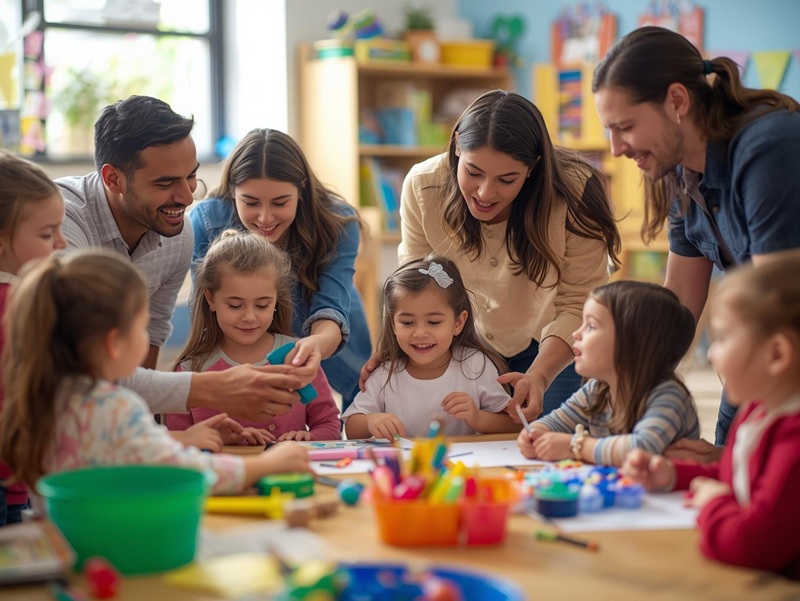
Family engagement events create opportunities for families and teachers to meet in informal spaces where conversation can flow without the pressure of formal meetings or assessments.
Parents often feel more comfortable asking questions and sharing observations during community days or workshops.
Events like classroom showcases or learning nights help parents see how young learners interact with materials, activities, and peers, which helps build mutual trust and respect.
How Shared Experiences Help Children Thrive
Children notice when the adults in their lives are engaged and interested in their learning.
When parents attend school events with teachers, children feel a sense of pride and affirmation.
These shared experiences help children connect their home life with their school routines, which can make transitions easier and reduce anxiety about learning experiences outside the home.
What Parents Learn From Teachers
During family engagement events, teachers share insights about classroom routines and early learning strategies that help support children’s growth.
Conversations at these moments can deepen parents’ understanding of how children learn through play, social interaction, and guided activities.
When parents learn more about everyday classroom practices, they can reinforce similar ideas at home, creating consistency that benefits the child’s development.
Why Parental Involvement In Education Matters For Communication
Parental involvement in education means families are actively participating in activities related to their child’s learning, including events, meetings, and conversations with educators.
Research shows that this involvement strengthens communication channels between adults who care for the child.
When parents and teachers have strong lines of communication, they work together on shared goals and support children with early literacy, behavior, and emotional development.
How Communication Supports Consistency
Regular and open communication between parents and teachers supports consistent expectations for children both at home and in school.
When families are informed about classroom themes, routines, and learning focuses, they can reflect these ideas in home activities, reinforcing what children experience in preschool or early learning centers.
How Feedback Loops Improve Understanding
Family engagement events allow parents and teachers to exchange observations about a child’s interests, strengths, and areas where extra support might help.
When these insights are shared respectfully, both adults can adapt their approaches to support the child more effectively.
This collaborative feedback loop improves the quality of communication and deepens the parent teacher relationship.
How Engagement Reduces Misunderstandings
Clear and honest communication reduces the chance of misunderstandings about a child’s behavior or progress.
In participating in friendly school events, parents can talk to teachers in relaxed settings and ask questions they might not think of during formal conferences.
This helps both sides stay aligned in understanding the child’s needs.
Parent Engagement Through Informal Family and Community Events
Family engagement events include informal gatherings like learning nights, open houses, seasonal celebrations, and workshops.
These activities encourage families to connect with teachers and other families, which strengthens community ties and supports ongoing conversation about learning and development.
How Informal Events Encourage Parent Engagement
Informal events give parents a chance to meet teachers and other families without the structure of formal parent‑teacher conferences.
Many parents find it easier to engage when they have time to chat casually, share experiences, and ask questions in a welcoming environment.
This type of engagement builds deeper relationships over time.
How Community Events Build Shared Goals
When parents and teachers participate in community engagement conferences or celebrations, shared goals emerge naturally.
These events encourage adults to see each other as partners who care about the child’s well‑being and learning.
Research suggests that two‑way communication encourages stronger participation from families and supports a positive sense of shared purpose.
How Parent Networks Strengthen Learning Connections
Family engagement events often create opportunities for parents to connect with each other.
These connections can lead to shared resources, tips on parenting, and collective support for developmental goals.
When families find community among themselves, they feel more supported in continuing conversations with teachers throughout the year.
What Family and Community Engagement Conference Offers Parents
Family and community engagement conferences provide structured, informative spaces for parents to learn alongside teachers.
These events can include workshops on child development, early literacy strategies, behavior supports, and transitions into kindergarten.
When parents attend these conferences, they gain information about how children grow and learn, which supports deeper communication with teachers.
Learning Together Through Workshops
Workshops offered during engagement events help parents understand current early childhood practices and strategies they can use at home.
For instance, a session on early literacy or social‑emotional development can give parents language and tools to support their children’s learning beyond the classroom.
Shared Discussion Builds Confidence
When parents have opportunities to discuss topics with teachers and other parents, they often feel more confident in their role as advocates for their child’s needs.
This confidence transfers into clearer conversations with teachers and contributes to a respectful parent teacher relationship.
Conferences Support Inclusive Conversations
Community engagement conferences often invite parents to share their perspectives and questions in group discussions.
When teachers listen and respond to parent concerns in these settings, families feel heard and respected, which strengthens trust and cooperation.
Building Relationships With Parents As a Teacher
Teachers play a key role in nurturing positive communication with families by building respectful, consistent relationships.
Trust forms when teachers demonstrate reliability, empathy, and openness in their interactions with parents.
How Teachers Signal Openness to Parents
Simple actions like greeting parents warmly during drop‑off, listening to their questions without judgment, and offering clear explanations about classroom routines all contribute to positive communication.
These interactions show families that their insights are valued and that teachers respect their involvement.
How Shared Activities Support Relationship Growth
Participating in shared learning activities, such as story nights or learning centers evenings, allows parents and teachers to see each other in collaborative roles.
When adults work together in these moments, children benefit from consistent messages about learning and behavior.
How Respectful Communication Starts Early
Consistent, respectful communication builds over time through small interactions and shared experiences.
Family engagement events accelerate this process by giving parents and teachers extended time to listen, learn, and ask questions in supportive settings.
How Ongoing Parent Engagement Strengthens Communication Over Time
Parent engagement is more than attending a single event.
It grows when families participate in regular exchanges with teachers that extend beyond occasional meetings.
This ongoing involvement helps families stay informed about classroom activities and supports continuous updates about child progress.
How Digital Tools Support Communication
Many early learning centers use digital platforms to share classroom updates, photos, and weekly themes with families.
These tools allow parents to stay connected even when they cannot attend every event, giving them a steady sense of their child’s school experience.
How Consistent Messaging Supports Trust
When families know what children are learning and how teachers approach that learning, they feel empowered to support their children at home.
Clear communication about expectations, routines, and individual progress strengthens the sense of partnership between parents and educators.
How Shared Understanding Builds Confidence
When parents and teachers have shared insight into a child’s strengths and struggles, they can adjust responses that support development effectively.
A strong partnership lets parents feel confident asking questions and contributing ideas that enhance the learning experience.
Supporting Family Engagement In Every Season of School Life
Family engagement events are valuable throughout the year.
Seasonal celebrations, holiday gatherings, parent workshops, and classroom visits all contribute to ongoing communication between families and teachers.
How Event Variety Meets Different Family Needs
Offering different types of events, in the morning, evening, weekend, and hybrid formats help more families participate according to their schedules.
When schools offer accessible and varied family engagement opportunities, more parents feel included and welcomed.
How Celebrations Create Meaningful Parent Teacher Moments
Celebrating milestones together, like art shows or student presentations, gives families a window into children’s classroom experiences.
Shared joy in accomplishments supports positive communication and community building.
How Family Engagement Builds Long‑Term Relationships
The more families and teachers interact in supportive settings, the stronger their relationship becomes.
Over time, these connections deepen trust and mutual respect, creating a learning environment where children feel secure, understood, and supported.
Strengthen Parent-Teacher Relationship For Your Child
A strong parent teacher relationship becomes a quiet foundation for children’s confidence, sense of belonging, and smooth transitions through early learning stages.
When parents attend events, hear from teachers, and participate in learning conversations, they build trust and clarity about their child’s classroom life.
Polaris Learning Center encourages families to engage with teachers through a range of seasonal events, community nights, and shared learning moments, helping you feel connected and informed as your child grows.
We invite you to participate in upcoming family engagement opportunities and experience firsthand how strong family‑teacher partnerships support meaningful early learning.