

11 Mar What Children Learn During Circle Time in Preschool
Circle time is a consistent part of early childhood programs that provides young children a safe and predictable way to practice social, emotional, and cognitive skills.
It gives children a chance to gather with peers, participate in songs, stories, and movement, and explore new ideas together.
During circle time, children practice following directions and taking turns, which are essential for social-emotional growth.
For toddlers and preschoolers, these short, structured moments help children feel part of the group while exploring new words, numbers, and concepts.
In classrooms like Polaris Learning Center, circle time is part of daily routines and encourages children to participate in ways that match their abilities and comfort levels.
Why Circle Time Activities Matter in Early Childhood
Circle time activities create structured opportunities for children to practice skills that are hard to learn elsewhere.
They provide moments to develop social skills, language, early math understanding, and self-regulation.
Children gain experience in group settings, learning how to interact respectfully and wait for their turn.
Short, predictable routines also help children feel safe and oriented, supporting emotional security.
How Circle Time Activities Support Social Skills
During circle time, children learn how to share, wait, and follow group expectations.
These social moments are critical for young learners, helping them practice patience and cooperation.
Even simple activities like passing a puppet or rolling a ball in a song teach children how to interact with others appropriately.
Teachers encourage discussion and group responses, giving children chances to listen, respond, and express their feelings safely.
Social learning is reinforced through repetition, helping children understand group norms without pressure.
How Circle Time Activities Support Language Growth
Circle time is an ideal moment to build language and literacy skills.
Listening to stories, participating in songs, and answering questions exposes children to new vocabulary and sentence patterns.
Teachers use repetition, rhythm, and rhyme to help children notice sounds and words, which strengthens early literacy skills.
Children practice listening, speaking, and understanding instructions while participating in a calm, structured group setting.
These experiences help children build confidence in expressing themselves and following directions in both small and large group contexts.
What Circle Time for Two Year Olds Really Looks Like
Circle time for two year olds is different from older preschoolers.
Toddlers have shorter attention spans and need more movement and interaction to stay engaged.
Age-appropriate circle time helps children participate without pressure while practicing essential skills.
Why Circle Time for Two Year Olds Is Short and Active
Circle time for two year olds is brief, usually lasting 5–10 minutes, and involves songs, fingerplays, or movement activities.
Teachers incorporate gestures and props to help children follow along and engage physically.
Activities may include bouncing a ball to a song or using puppets to act out a story.
These short bursts of structured interaction teach toddlers how to join a group, wait for a turn, and pay attention for brief periods.
What Children Practice During Circle Time 2 Year Olds Can Handle
Two year olds practice imitation, listening, and turn-taking during circle time.
They may clap to a song, repeat simple words, or mimic teacher motions.
These small successes help children feel part of the group and build social confidence.
Teachers focus on encouragement, not performance, allowing each child to participate according to their readiness.
Toddlers also develop early awareness of routines and group expectations, which supports self-regulation and emotional security.
How Circle Time Activities for 3 and 4 Year Olds Build Readiness
Preschoolers are ready for longer and more structured circle time activities.
These sessions introduce opportunities to practice listening, following directions, and participating in discussions.
Listening & Participation During Circle Time Activities for 3 and 4 Year Olds
Circle time for 3 and 4 year olds often lasts 15–20 minutes and includes storytelling, songs, and interactive discussions.
Children are encouraged to take turns answering questions, share experiences, and follow multi-step directions.
Teachers may incorporate visual aids or props to maintain attention.
These activities teach children how to participate in a group setting while developing patience and focus.
Children also gain confidence as they see their contributions recognized by peers and teachers.
Language and Story Skills Built Through Circle Time Activities
Storytelling during circle time supports vocabulary development, comprehension, and expressive language.
Children learn to predict story outcomes, retell events, and use new words in context.
Songs and rhymes strengthen phonemic awareness, which is critical for early reading development.
Teachers model pronunciation and sentence structure, giving children multiple chances to hear and use language.
Children experience learning through participation, which makes language meaningful and memorable.
Early Math Through Counting Circle Time Activities
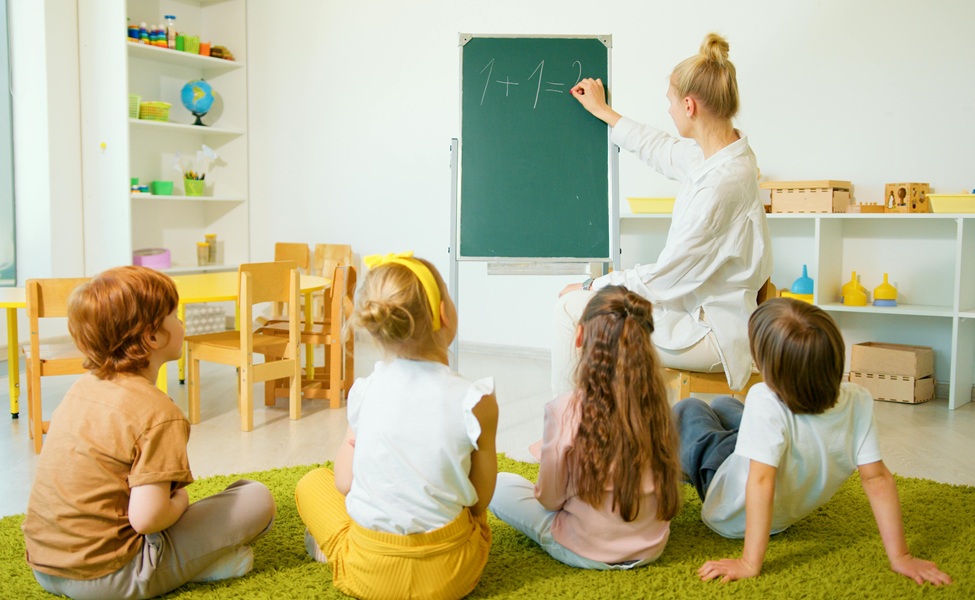
Counting and number recognition can be naturally integrated into circle time activities.
Early math skills grow when children count objects, follow number-based songs, or match numbers to quantities.
How Counting Circle Time Activities Support Early Math
Counting songs, fingerplays, and small group activities help children learn numbers and understand one-to-one correspondence.
Repeating these exercises over time reinforces basic math concepts in a playful way.
Children may count blocks, beads, or steps in a song, practicing both listening and numerical skills.
These early experiences lay the foundation for more complex math understanding in preschool and kindergarten.
Why Math During Circle Time Feels Natural for Young Children
Music and rhythm make counting feel engaging and intuitive.
Songs with repeated number patterns encourage children to anticipate the next number and join in the activity.
Using visual aids or movement keeps children active and attentive while connecting numbers to real-world objects.
Early math is most effective when it is fun, interactive, and linked to familiar routines.
What Kindergarten Circle Time Builds Over Time
Circle time in kindergarten continues the skills children started in preschool.
Older children focus on listening for longer periods, following multi-step directions, and managing emotions during group activities.
How Kindergarten Circle Time Builds Self Regulation
Kindergarten circle time strengthens self-regulation skills, helping children learn how to wait, manage impulses, and listen attentively.
Children practice controlling their actions while participating in songs or discussions.
Teachers encourage reflection, sharing, and empathy to help children recognize feelings in themselves and others.
These skills support both academic and social development by helping children stay engaged in group settings.
Why Kindergarten Circle Time Supports Classroom Routines
Kindergarten circle time helps children understand and follow predictable routines.
Predictable schedules reduce anxiety, build confidence, and create a sense of safety.
Children learn to transition smoothly between activities and participate in group lessons effectively.
Teachers use circle time to introduce classroom expectations, group projects, and interactive learning, preparing children for success in larger group settings.
How Polaris Learning Center Approaches Circle Time Activities
Polaris Learning Center designs circle time to meet children where they are, adjusting expectations based on age, readiness, and individual needs.
Teachers use music, movement, and hands-on materials to engage children in ways that support learning and emotional growth.
Developmentally Appropriate Circle Time Activities in Polaris Classrooms
In our classrooms, circle time is flexible and tailored to age. Toddlers have short, active sessions, while preschoolers participate in longer, interactive discussions.
Activities include songs, storytelling, movement, and counting exercises, all designed to practice listening, language, and social skills.
Teachers observe children and adapt activities so each child can succeed at their own pace.
Why Participation Is Encouraged and Never Forced
Polaris teachers encourage participation without pressure, supporting emotional safety and trust.
Children are invited to join songs, stories, or counting activities according to their comfort.
Respecting each child’s readiness builds confidence and helps them feel secure in the classroom.
The goal is active learning and social interaction, not performance or perfection.
Bring Circle Time Learning at Home With Polaris
Circle time activities provide children opportunities to practice social, emotional, and early academic skills in ways that feel natural and safe.
Parents can support this learning by singing songs, reading stories, and counting together at home.
Here at Polaris Learning Center, circle time is part of a nurturing classroom environment that combines hands-on learning, music, movement, and storytelling to encourage growth.
Through daily circle time, children build foundational skills that support early literacy, math understanding, and emotional awareness.
Contact us today to learn more about how Polaris classrooms integrate circle time into daily learning routines and encourage children to explore, engage, and grow with confidence.