

18 Feb Why Choosing the Right Kids Learning Center Matters More Than Ever
Are you juggling work, family, and the search for a child-care setting that feels right for your child?
Quality, center-based early care supports development in ways families notice every day, including language, self-control, and early problem solving.
That makes the choice of a kids learning center important for both your child’s daily experience.
Polaris Learning Center organizes programs by age so infants, toddlers, preschoolers, and school-age children each have developmentally appropriate activities and goals.
What Makes a Safe Early Learning Environment
Licensing, Checks, and Clear Drop-in Procedures
A licensed day care facility follows state rules for staff ratios, background checks, and health record keeping.
Ask to see license information and how staff credentials are tracked.
Clear sign-in systems and photo-ID checks help keep children safe during drop-off and pickup.
Clean, Organized Classrooms That Support Supervision
Classrooms designed with small-group areas and open sight lines make it easier for adults to watch children while they play.
Child-height shelves, labeled bins, and distinct learning spaces help kids find materials and return them.
This kind of thoughtful layout supports independent choice and helps adults keep an eye on the classroom.
Health Policies Parents Can Confirm
Ask how the center handles immunization records, illness policies, and medication administration.
A center that keeps clear, up-to-date health records and communicates policies openly shows readiness for responsible care.
Clear rules for medications and illness, like those seen in trusted programs, help families feel secure about their child’s health.
Why Daily Routines Matter for Your Child
Predictable Routines Help Children Feel Secure
Children respond well to routines like arrival, play, snack, outdoor time, and rest.
These patterns reduce stress and help children settle in and focus.
Short, repeated activities give teachers a chance to observe growth over time and support children’s independence.
Research from early-childhood experts links these consistent routines to healthy brain development and emotional regulation.
Small Group Time Gives Focused Practice
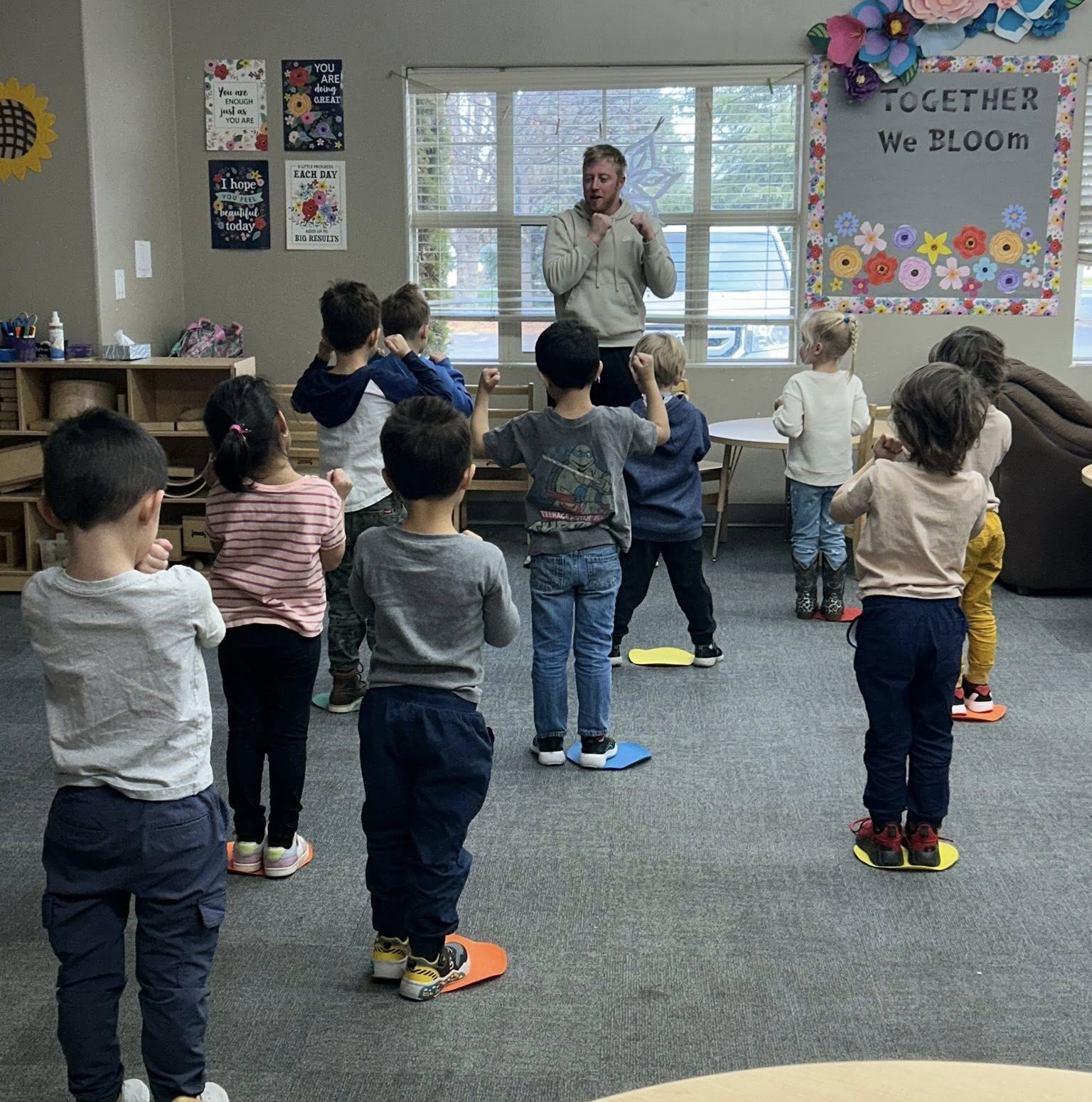
Brief small-group sessions let children try a new idea with adult support, like a counting activity or a storytelling circle that leads to art or play.
These moments offer each child a chance to participate, ask questions, and feel confident without pressure.
Outdoor Time and Movement Support Overall Growth
Daily outdoor play gives children a chance to run, climb, explore, and work on gross motor skills.
Movement helps attention, mood, and social interaction.
A balanced day that includes active time, calm play, and rest supports overall development and keeps children engaged.
How Playful Classrooms Support Social Skills and Confidence
Play Brings Natural Social Practice
Play gives children real chances to share, wait their turn, negotiate roles, and cooperate.
These experiences build friendships and help children learn to resolve small conflicts, all in a safe, guided space.
Play supports social skills for preschoolers and helps children feel part of a group.
Cooperative Projects Teach Collaboration
Shared tasks like building block structures or group art projects encourage listening, sharing, and creative teamwork.
Kids learn to plan, negotiate, and use social words, which are helpful skills they carry beyond school.
Daily Notes Build Trust Between Families and Teachers
Reliable updates such as a simple note, a quick call, or a photo, can help you see how your child spent their day.
Knowing what your child did, who they played with, and what they tried helps you feel connected and reinforces learning at home.
Curriculum Fit: What to Look for in an Early Learning Program
Age-Appropriate Learning Areas and Centers
The best kids learning centers organize their space into clear learning areas: blocks, sensory tables, art, reading, dramatic play.
Each area supports different skills and offers varied ways for children to explore.
Polaris’s curriculum includes language, literacy, math, science, creative arts, music, and dramatic play, giving children a wide range of experiences as they grow.
Play with Learning Rather Than Drills
Look for centers that balance child-led play and gentle guidance from teachers.
Research shows that guided play, where adults subtly support learning while children lead, helps with language, reasoning, and social skills while keeping play joyful.
Balanced Experiences: STEM, Literacy, and Creative Play
Top centers include a variety of daily activities: simple science, counting games, storytelling, art, music, and outdoor play.
This mix gives children multiple ways to explore and learn.
A center that rotates themes and materials keeps learning fresh and responsive to children’s interests.
Staff Training You Can Confirm
What to Ask About Staff Qualifications
Good centers hire educators trained in early childhood development and keep certifications like CPR and First Aid up to date.
That training helps teachers understand children’s needs, respond thoughtfully, and support learning in age-appropriate ways.
Watch How Teachers Interact With Children
Notice if teachers step in only when needed, follow children’s lead, and offer gentle support.
Skilled staff give children space to explore while making sure they feel safe and supported.
Stability and Continuity Matter
When staffing stays consistent, children form secure relationships.
Ask about staff turnover, team support, and how the center encourages continuity.
Questions to Ask on a Tour That Reveal the Real Experience
- How do you keep in touch with families about daily activities or concerns?
- How often do you rotate materials in classroom centers and learning areas?
- Where can I see your licensing and staff credential documentation?
- How do you handle sick children or medication administration?
- How do you support group play, social conflicts, and sharing?
How to Compare Costs, Schedules, and Availability
Understand What Tuition Includes
Ask whether meals, enrichment, supplies, or field trips are part of tuition.
That makes budgeting easier and avoids surprise costs.
Check Part-Time and Extra-Day Options
If your schedule is irregular, ask about availability for part-time or extra days and how charges are handled.
Know Vacation Hold and Re-Enrollment Policies
If you plan absence or breaks, clarify how holding periods work and whether credits apply.
That helps avoid unexpected fees.
How Families Can Extend the Early Learning Environment at Home
Build Short, Meaningful Routines
Simple routines like shared reading, counting during chores, or a short walk help reinforce learning without pressure.
Research from leading childhood development centers shows that even small, routine activities support early brain and language development.
Talk and Describe What You See
Use everyday language to talk about what your child does, feels, or notices.
That encourages language growth, attention, and memory.
Use Simple Household Items for Learning
Cups, boxes, spoons, and recyclable items give chances for sorting, measuring, building, which echo classroom play and exploration.
These everyday moments connect home and school learning.
Why Research Supports High-Quality Center-Based Care
Regular Center Time and Developmental Support
Studies show that high-quality, center-based early care can support children’s social, language, and cognitive growth.
This is especially when care includes guided play, stable routines, and trained staff.
Guided Play Builds Foundational Skills
Leading early-childhood organizations highlight play, especially guided play, as a powerful way for children to learn language, problem solving, and social skills.
Meaningful, Everyday Learning Matters
Small, repeated learning experiences such as playful counting, storytelling, and hands-on play help build skills gradually and naturally, matching how children learn best.
How Polaris Learning Center Fits These Priorities
Clear Programs and Campus Information
Polaris lists infant care, toddler programs, preschool and pre-K, and school-age enrichment along with campus locations and contacts.
Routine-Driven Daily Schedules That Support Growth
Polaris uses predictable routines and rotating themes so children return to ideas again and again.
You can ask for a sample daily report to see how time is spent and how activities meet your child’s age and interest.
Staff Training and Family Communication Practices
Polaris shares staffing expectations, health and safety rules, and daily communication practices.
This transparency helps you trust who is caring for your child and how they support learning each day.
Choose The Right Kids Learning Center for Your Kids Today
Choosing the right kids learning center matters now more than ever, for your child’s learning and for your family’s peace of mind.
When a center combines safe routines, organized classrooms, trained staff, and playful learning, children get space to explore, try new ideas, and grow day by day.
Polaris Learning Center shares campus locations, program details, and curriculum themes clearly so you can review before your visit.
If you would like to discuss further details, please reach out to us here.