

11 Mar Why Clean, Organized Classrooms Matter for Learning and Safety
Choosing a learning space for your child can feel heavy.
You want a place that keeps your child healthy, helps them focus, and supports their growing independence.
Clean, well ordered classrooms play a big role in all of that.
Research shows better cleaning practices can lower illness related absences and help classrooms feel calmer and more welcoming.
Clean spaces also make it easier for teachers to set up clear classroom centers and predictable routines.
Polaris Learning Center will help you learn how tidy classroom design supports early childhood learning, how daily cleaning and organization work in centers for learning, and what to look for when you visit.
How Clean Classrooms Help Children Learn
Clean Spaces Reduce Illness and Absences
When classrooms are regularly cleaned and sanitized, surface bioburden drops and illnesses tied to surface transmission fall.
One controlled study found that enhanced cleaning and disinfection reduced detectable surface contamination and reduced some illness markers.
Fewer sick days means children miss fewer learning moments and teachers can keep routines on track.
Parents notice steady attendance and feel more confident about sending their child to a day care facility when hygiene is visible and consistent.
Order Supports Focus and Predictable Routines
Children do better when their day follows a clear flow.
Organized classrooms make it simple for children to move between reading, play, and meals.
Labels, low shelves, and clear small group areas cut down on distraction and help children find what they need.
This kind of order supports independence and gives teachers time to guide learning rather than hunt for misplaced materials.
Organization Lowers Stress for Adults and Children
An uncluttered classroom eases the mental load for teachers and children alike.
Teachers can more easily watch children, rotate materials, and keep learning centers fresh.
Families also feel calmer when they see tidy spaces and clear systems for daily reports and drop off.
What Clean and Organized Classrooms Look Like
Child Height Storage and Clear Labels
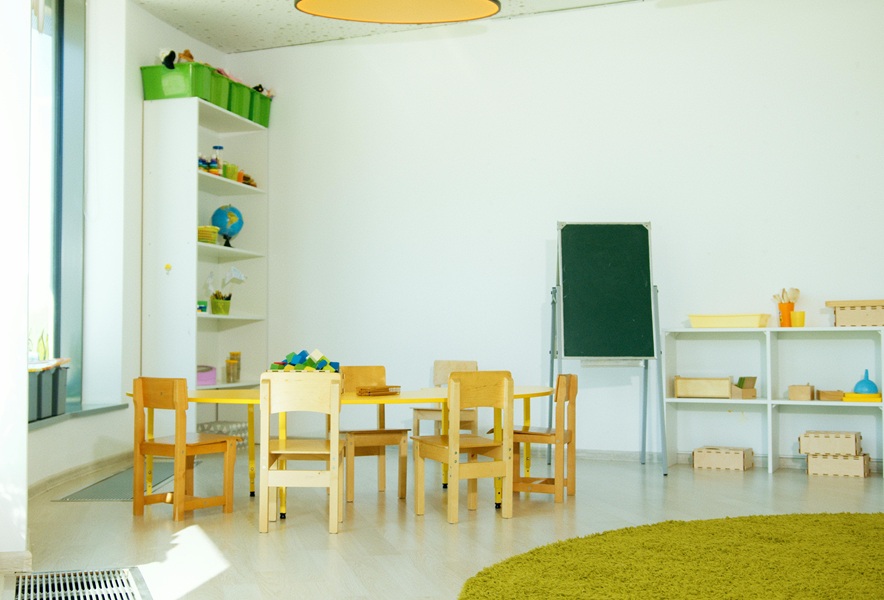
Shelves placed at child height and bins with picture labels let young learners access materials safely.
This supports independence and reduces the need for adult handling of many items.
Clear labelling also helps children build routines like cleaning up after play and choosing materials for learning time.
Rotating Materials for Fresh Learning Opportunities
Rotating toys and learning materials keeps exploration engaging while limiting clutter.
A small set of well chosen materials changed weekly or monthly gives children repeated exposure to ideas and supports deeper discovery.
It also makes cleaning and inspection easier for staff.
Zoned Classroom Centers for Safe Supervision
Classrooms organized into clear centers for building, art, reading, and sensory play help teachers supervise multiple children at once.
Each zone has age appropriate materials and safety checks that match the activities used there.
This design supports predictable transitions and helps children know what each space is for.
Daily Practices That Keep Classrooms Healthy
Routine Cleaning Schedules and Checklists
Many centers use short daily cleaning checklists for high touch surfaces like tables, door handles, and toys.
Regular, quick cleaning during the day plus deeper cleaning after hours reduces germ loads and shows families that hygiene is a priority.
Toy Rotation and Safe Storage
Soft toys and shared manipulatives are washed or quarantined when a child is sick.
Hard toys are wiped down regularly and rotated to allow full cleaning between uses.
Clear storage systems also make it easier to track which items need laundering or repair.
Ventilation and Air Quality Steps
Good ventilation supports healthy classrooms.
Centers monitor airflow, open windows when appropriate, and use filters when needed.
Recent reporting highlights how indoor air quality matters for classroom comfort and health.
How Organization Supports Learning Opportunities
Predictable Centers Help Children Practice Skills
When materials are always in the same place, children learn routines and can return to ideas over time.
A block center becomes a place to test balance, a sensory table becomes a safe zone for quiet exploration, and an art station invites repeated creative risk taking.
Kids learning centers help children repeat early childhood activities and build mastery slowly.
Accessible Materials Encourage Independence
When children can reach books, blocks, or pencils, they practice decision making and self care.
That independence is a learning outcome in itself.
Children learn to choose, to put items away, and to participate in the classroom rhythm.
Small Group Spaces Support Focused Teaching
Organized small group areas let teachers lead short focused times for language, counting, or science.
These short activities fit naturally into a day and give children repeated exposure to key ideas while keeping the rest of the class free for independent exploration.
Safety Practices That Parents Should See on a Visit
Visible Cleaning Routines and Staff Roles
On a tour, ask what staff do for hourly cleaning and how toys are sanitized.
A clean classroom will often show a checklist or a staff log, or staff can explain daily routines easily.
Secure Drop Off, Sign In, and Immunization Policies
Look for a clear sign in system and a simple process that asks for current immunization records.
These operational practices reduce risk and keep classrooms functioning smoothly when someone is unwell.
Child Proofing and Accessible Emergency Plans
Classrooms should show simple child proofing and have visible evacuation routes or posted emergency plans.
These safety measures help families feel secure about daily routines and unexpected events.
What Parents Can Do at Home to Match The Classroom
Create Predictable Spots for Toys and Books
Use low bins or baskets with pictures to help your child choose and put away items.
The same simple system at home supports transfer of classroom routines and makes clean up easy for busy mornings.
Short, Regular Cleanups Work Better Than Big Purges
Quick 5 minute tidy ups after play teach children responsibility and help keep home areas ready for learning.
This mirrors classroom routines and reduces the need for major cleanings later.
Talk Through Why We Clean And Put Things Away
Use simple language to explain that washing hands and putting toys away keeps everyone healthy and makes it easier to find things later.
Framing tasks as helpful habits works better for young children than long lectures.
How Clean Classrooms Fit With Early Learning for Kindergarteners
Predictability Builds Confidence for First School Transitions
A child who is used to simple daily routines and labelled spaces often adjusts more smoothly to kindergarten routines.
These skills are practical and observable, not guaranteed learning outcomes, but parents report calmer transitions for children who practice independence at an early learning center.
Practice With Materials Transfers to School Habits
A child who routinely chooses books or uses writing center materials will be familiar with those actions in school.
The daily practice of focusing for short times and returning to play helps build stamina for school day routines.
Family Partnerships Make The Work Stick
When centers share simple home ideas like short clean up routines or labeled bins, families and teachers work from the same playbook.
That partnership supports steady progress in daily habits and comfort in classroom transitions.
Questions Parents Ask
How Often Are Toys Cleaned in Classrooms?
Toys used by many children are wiped daily and laundered or quarantined after a known illness.
Centers with strong routines can explain which items are washed weekly and which are cleaned more often.
Will Clean Classrooms Prevent Illness?
No approach eliminates all risk, but consistent cleaning, hand hygiene, and sensible sick policies reduce the chances of spread and lower absence days.
Centers that combine cleaning with clear sick policies and communication help families plan.
How Do You Balance Cleanliness With Play?
Cleaning and order do not mean sterile or dull spaces.
Rotating materials, process art, sensory play, and child choice all happen within clean systems.
Staff can explain how they set up inviting classroom centers while keeping hygiene in mind.
How Polaris Structures Classrooms for Health And Learning
Child Friendly Storage and Daily Rotation
We design classrooms with low shelves, picture labelled bins, and small group tables so children can choose and return items.
Materials rotate regularly to keep play fresh and to make cleaning and inspection manageable.
Simple Visible Routines for Families
We use short daily cleaning checks, sample daily reports, and a clear sign in system.
These steps help families see the work behind the scenes and stay connected to daily learning opportunities.
Staff Training On Safety And Supervision
Our staff complete training in child care routines and emergency preparedness and keep CPR and First Aid current. That training helps teams carry out cleaning and supervision tasks while they guide early childhood activities in a nurturing way.
What You Can Ask On A Tour
Can I See A Daily Cleaning Checklist Or Toy Rotation Plan?
A center that takes hygiene seriously can show you the basic schedule used by staff or explain how they rotate and launder materials.
How Do You Communicate When A Child Is Sick?
Ask how the center notifies families and what steps they take to keep others safe.
Clear, prompt communication matters for family planning.
May I See The Classroom Centers In Use?
Request a quick peek at classroom centers in action and ask teachers what a typical daily routine looks like.
Seeing spaces in use gives strong signals about organization and safety.
Be Assured With Polaris Learning Center
Clean, organized classrooms are more than tidy rooms.
They are deliberate setups that make learning easier, reduce illness related absences, and help children practice independence.
Schedule a tour to meet teachers, view classroom centers, and ask for a sample daily report that shows materials, routines, and cleaning steps.
Contact our team at Polaris Learning Center to set up a visit and learn how we make the center of learning a safe and inviting place for your child.